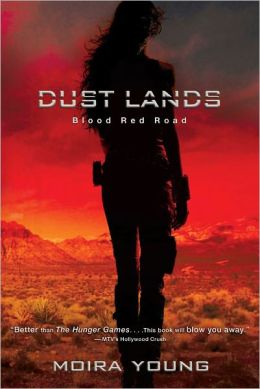
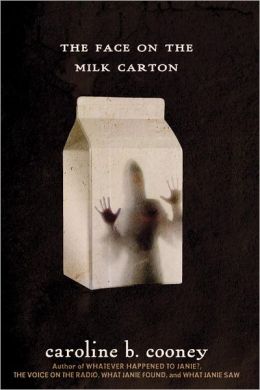
This is a New One...
No Safety in Numbers
By Dayna Lorentz
The No Safety in Numbers Series, Book 1

# Pgs: 288
_________________________________________________________________________________
Overview:
A biological bomb has just been discovered in the air ducts of a busy suburban mall. At first nobody knows if it's even life threatening, but then the entire complex is quarantined, people start getting sick, supplies start running low, and there's no way out. Among the hundreds of trapped shoppers are four teens.
These four different narrators, each with their own stories, must cope in unique, surprising manners, changing in ways they wouldn't have predicted, trying to find solace, safety, and escape at a time when the adults are behaving badly.
This is a gripping look at people and how they can—and must—change under the most dire of circumstances.
And not always for the better.
_________________________________________________________________________________
Review:
No Safety in Numbers by Dayna Lorentz was just another story--granted and interesting story--but just another story. There was nothing exactly that stood out about it. I mean, it was a great idea. I haven't exactly read a lot of stories where a biological bomb keeps people in a mall for an extended period of time. In fact, the number of books equates to just one--this one. I think that the problem with this book was that it wasn't believable enough. The story was there, the idea, the author knew where she wanted to go, but where she wanted to go and where this story went was two different things.
The characters make up the story. Whether the main character is human, animal, plant, setting, or thing, it doesn't matter. When we read a story, the main character is the one thing that we may (or may not) become sentiment with. The goal for the author is to make us become intimate with the character by telling the story. In order to do so, he or she has to tell the story well. It's up to us, from there, to interpret the characters. When an author writes a story, they have to put the concept of the time period, the place, and the complications that have occurred or that will occur, on the front line. Who, what, when, where, why, and how? This is what makes us love a story.
Notice, in that statement, that the "who" comes first. If the characters are believable, then the story will be believable, and you've set up the dominoes to a great story. If the stories aren't believable, then it makes the rest of the story less believable. "What" the problems are, whether it's a great plot idea or a dramatic impact, immediately becomes less of what it could be just because the characters facing the "what" have holes in their characterization. If those two things fall through, then all that hard work you've set up lining up those dominoes will collapse. The "when" could be interesting, the time period from point A to point B. The "where" could be kind of cool, like "hey-- we're all trapped in a mall". "Why" could be about anything, from the main problem to the characters to the plot line itself; it's up to the reader to interpret the why, so to be safe, you have to make sure you either give out the answers, or flat out tease the characters that "you" know something that "they" don't. The "how" is the answer-- that's where we're trying to get to by reading a book or poem. How do the characters get from point A to point B? How does the main problem impact the character? How does the character deal with problems? How is this important to the story?
By this long winded explanation of what I'm looking for when I read a story, I'm trying to tell you that from the very beginning No Safety in Numbers was foundationally weak. The characters weren't believable especially for the time period that they're in. Since we want to root for the character to succeed (or fail, depending on the story), since we're looking for that intimacy and understanding, that connection that the reader has with a character, that relation between two worlds, the job of the author is to deliver that connection to us. There wasn't really any connection or relatability. I mean, on some level there was, but there wasn't enough to make me want to root for them to succeed or make me ball my eyes out when tragedy befalls. There wasn't enough.
And perhaps, that's my biggest problem with this book; that I couldn't believe the characters.
The "who" was weak; the "what" was interesting but not believable because of the "who". That's what I've been trying to say.
:P
Sorry, I always say a lot more about something that I mean to. It's a roundabout method of speaking.
The book was more than slightly predictable, based on the cover of the book and the overview (it was easy to tell what was going to happen). I think the only thing that really surprised me happened at the end with one of the character's mothers. It set up, what I'm guessing to be, one of the complications for the next book in the series. I know that it's categorized under "teen fiction", but other than a few swear-words here and there and some sexual references, it really seemed like a book written for the younger generation. It was an interesting idea, but not at all an interesting book to read. This book was slightly disappointing, though I did find some enjoyment in it. Blame that on my curiosity, and on how I over-think some situations.
I don't know that I'd really recommend this book to anyone. It was just so bland; not necessarily a bad book, but it was just another book. Nothing but its idea stood out about it. It wasn't interesting. If I had to, strictly stated, had to recommend this book to anyone, it would be for sci-fi, somewhat dystopian, drama lovers. Out of five, I'd rate this book as a three. It wasn't a bad book; it was just sort of disappointing.
With all that said, thanks for reading~ Hope you found this helpful...
The characters make up the story. Whether the main character is human, animal, plant, setting, or thing, it doesn't matter. When we read a story, the main character is the one thing that we may (or may not) become sentiment with. The goal for the author is to make us become intimate with the character by telling the story. In order to do so, he or she has to tell the story well. It's up to us, from there, to interpret the characters. When an author writes a story, they have to put the concept of the time period, the place, and the complications that have occurred or that will occur, on the front line. Who, what, when, where, why, and how? This is what makes us love a story.
Notice, in that statement, that the "who" comes first. If the characters are believable, then the story will be believable, and you've set up the dominoes to a great story. If the stories aren't believable, then it makes the rest of the story less believable. "What" the problems are, whether it's a great plot idea or a dramatic impact, immediately becomes less of what it could be just because the characters facing the "what" have holes in their characterization. If those two things fall through, then all that hard work you've set up lining up those dominoes will collapse. The "when" could be interesting, the time period from point A to point B. The "where" could be kind of cool, like "hey-- we're all trapped in a mall". "Why" could be about anything, from the main problem to the characters to the plot line itself; it's up to the reader to interpret the why, so to be safe, you have to make sure you either give out the answers, or flat out tease the characters that "you" know something that "they" don't. The "how" is the answer-- that's where we're trying to get to by reading a book or poem. How do the characters get from point A to point B? How does the main problem impact the character? How does the character deal with problems? How is this important to the story?
By this long winded explanation of what I'm looking for when I read a story, I'm trying to tell you that from the very beginning No Safety in Numbers was foundationally weak. The characters weren't believable especially for the time period that they're in. Since we want to root for the character to succeed (or fail, depending on the story), since we're looking for that intimacy and understanding, that connection that the reader has with a character, that relation between two worlds, the job of the author is to deliver that connection to us. There wasn't really any connection or relatability. I mean, on some level there was, but there wasn't enough to make me want to root for them to succeed or make me ball my eyes out when tragedy befalls. There wasn't enough.
And perhaps, that's my biggest problem with this book; that I couldn't believe the characters.
The "who" was weak; the "what" was interesting but not believable because of the "who". That's what I've been trying to say.
:P
Sorry, I always say a lot more about something that I mean to. It's a roundabout method of speaking.
The book was more than slightly predictable, based on the cover of the book and the overview (it was easy to tell what was going to happen). I think the only thing that really surprised me happened at the end with one of the character's mothers. It set up, what I'm guessing to be, one of the complications for the next book in the series. I know that it's categorized under "teen fiction", but other than a few swear-words here and there and some sexual references, it really seemed like a book written for the younger generation. It was an interesting idea, but not at all an interesting book to read. This book was slightly disappointing, though I did find some enjoyment in it. Blame that on my curiosity, and on how I over-think some situations.
I don't know that I'd really recommend this book to anyone. It was just so bland; not necessarily a bad book, but it was just another book. Nothing but its idea stood out about it. It wasn't interesting. If I had to, strictly stated, had to recommend this book to anyone, it would be for sci-fi, somewhat dystopian, drama lovers. Out of five, I'd rate this book as a three. It wasn't a bad book; it was just sort of disappointing.
With all that said, thanks for reading~ Hope you found this helpful...